
RentRedi for Tenants & Owners
RentRedi IncHouse & Home
4.41.22K Reviews
- Version
- 6.671
- Installs
- 100.00K
- Age Rating
- Everyone
Screenshots
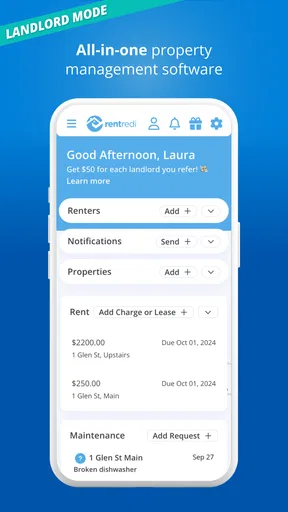
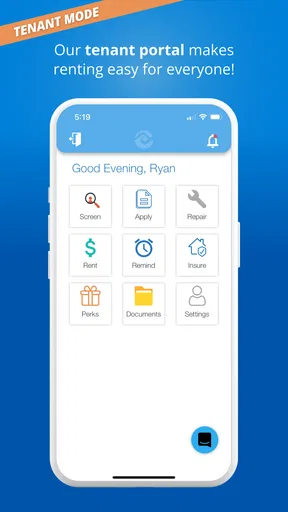
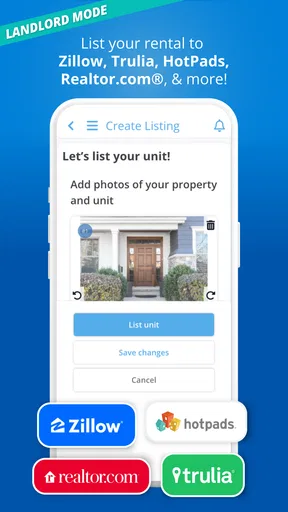
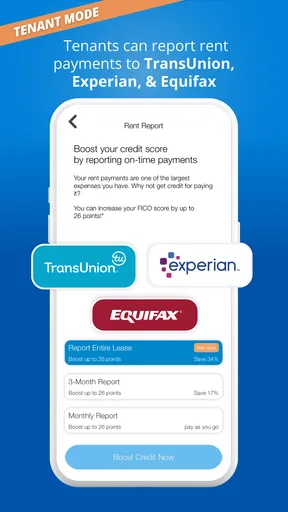
Our Review of RentRedi for Tenants & Owners
 Analysis by Appyee
Renting usually breaks down in small, repetitive moments: a payment that needs checking, a repair that gets lost in a text thread, or a document someone cannot find when it matters. RentRedi for Tenants & Owners is built around bringing those rental tasks into one place. I found its appeal easy to understand during the first week, especially for people who are tired of mixing banking, messaging, maintenance requests, and lease paperwork across unrelated apps.
What makes it worth considering is not novelty alone. The more important question is whether it still helps after the initial setup and whether both sides of a rental relationship will actually keep using it. Developed by RentRedi Inc, this free House & Home app is aimed at tenants and property owners rather than casual home browsing. It has been available since May 8, 2017, and its current version is 6.630 for devices running Android 5.0 or later. That long presence gives it a more established feel than a brand-new rental utility, while the 100K+ installs suggest that it is being used beyond a tiny early-adopter audience.
What the first week feels like
My first impression is that the app makes the most sense when a rental relationship has several moving parts. A tenant can use it as a regular point of contact for rent-related tasks, while an owner can use the same service to keep tenant interactions from being scattered. The benefit is less about one spectacular feature and more about reducing the number of places where important information can disappear.
The setup experience is naturally tied to the rental arrangement. That is both a strength and a limitation. If your landlord or property manager already works with RentRedi, the app has a clear purpose from the moment you open it. If you download it independently but have no rental connection inside the service, its usefulness is much lower. This is not a standalone apartment search tool, and it is not designed to replace every general-purpose finance or communication app.
I would start by checking which role the account is meant to support and then completing the basic rental details carefully. A rushed setup can create avoidable confusion later, particularly when you are trying to identify the correct property, payment task, or maintenance conversation. My practical tip is to treat the first session as an administrative setup rather than something to skim through in a hurry. Rental apps are most helpful when the underlying information is tidy from the beginning.
The app's free price removes an obvious barrier for someone deciding whether to try it. Its Everyone content rating also makes it broadly approachable for ordinary household use. Still, free does not mean frictionless. The real value depends on participation from the other party. A tenant cannot turn the app into a complete rental workspace if the owner continues to use only email, paper notices, or a different payment process.
During the first week, the strongest use case is consolidation. Instead of searching through old messages to remember whether a repair was reported, a renter can aim to keep that request in the rental app. Instead of asking a tenant to resend the same information, an owner can encourage a consistent channel. This creates a simple rule that is more valuable than it sounds: if a task belongs to the rental, try to keep its trail in the rental workspace.
A realistic tenant routine
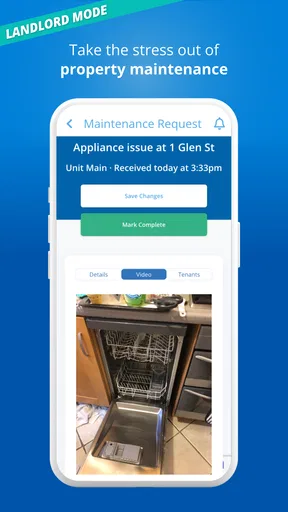
Imagine a tenant notices a leaking tap on a weekday evening. The immediate temptation is to send a quick text because it feels faster. With RentRedi, the more useful habit is to submit the issue through the app, describe what is happening clearly, and keep later communication connected to that request. Adding the room, the visible symptom, and whether the problem is getting worse gives the owner something actionable rather than a vague message.
That workflow matters when several repairs happen close together. A short text such as “the sink is bad again” may be understandable in the moment but difficult to review later. A structured maintenance trail can help separate a new issue from an earlier one. My advice is to write maintenance notes as if another person will read them a week later: say where the problem is, when it appeared, and what you have already tried. The app cannot improve an unclear report, but it can give the report a more appropriate home.
For owners, the first-week advantage is similar but viewed from the other side. Rental administration often becomes tiring because every tenant has a different communication style. One sends messages, another calls, and a third waits until rent day to mention a repair. Encouraging everyone to use one rental-focused channel can make follow-up more manageable. It does not remove the work of responding, but it can make the work easier to locate and prioritize.
Why the early appeal can be misleading
The first week may feel productive simply because everything is new and you are motivated to organize it. That is not the same as lasting value. The app earns its place only if it becomes the default path for recurring tasks. If you open it once to explore and then return to old habits, the initial convenience disappears.
There is also a social hurdle. A rental platform works best when tenant and owner agree on how it should be used. If one side treats it as the official record and the other side continues conversations elsewhere, the result can be two incomplete histories. I would not recommend adopting it casually without first agreeing on a basic rule: which kinds of requests, payments, and updates should be handled in the app.
Month-to-month value and the work of keeping it useful
After the novelty fades, recurring rental tasks are where RentRedi has to justify staying installed. Rent is not a one-time event, and maintenance is rarely finished by a single message. The app's long-term case rests on whether it helps users repeat familiar actions with less searching and fewer misunderstandings.
For a tenant, the recurring value is strongest when the app becomes a dependable place to check rental responsibilities and communicate about the home. That can reduce the mental load of remembering which channel was used last time. It also encourages better documentation. When a problem returns, having a previous description or conversation available can be more useful than trying to reconstruct events from memory.
For an owner, the monthly benefit is more about consistency than speed. A dedicated rental system can help separate property matters from personal conversations. That distinction becomes increasingly valuable when an owner manages more than one tenant or property, because casual messaging tends to become difficult to search and easy to misfile. RentRedi is not a substitute for thoughtful organization, but it supports a more repeatable process than an inbox alone.
One non-obvious advantage is the change in behavior it can encourage. When tenants know where to report an issue, they may be less likely to wait until a small problem becomes urgent. When owners have a clear place to review requests, they may be less likely to overlook a message buried among unrelated notifications. The app's value therefore comes partly from creating a shared routine, not just from displaying information.
A useful monthly habit is to review open rental tasks rather than relying only on new alerts. A repair can feel “handled” because someone replied, even though the practical issue remains unresolved. I would use the app as a checklist: identify what was reported, what response was given, and whether the tenant or owner still needs to act. This is a simple discipline, but it helps prevent communication from being mistaken for completion.
Another practical tip is to keep messages specific and restrained. A rental record is easier to use when each update answers one question: what happened, what is needed, and what happens next? Long emotional exchanges may be understandable during a dispute, but they are harder to scan later. RentRedi can centralize the conversation; users still have to keep the conversation readable.
Where it fits beside usual alternatives
The usual alternative for tenants is a mixture of a bank app for payments, text messages for repairs, email for documents, and phone calls for anything urgent. That arrangement can work for a friendly landlord and a simple lease, but it creates fragmented records. RentRedi is more attractive when the rental relationship needs one recognizable workspace.
Texting remains better for a genuinely urgent warning when the recipient needs immediate attention and the app is not being monitored. Email may still be preferable for lengthy formal correspondence or for people who need a full desktop workflow. A spreadsheet can also be more flexible for an owner who wants custom financial tracking. I would not replace every tool automatically. The sensible approach is to use RentRedi for the rental tasks it handles well while keeping a separate emergency route and any specialized bookkeeping process that the owner already relies on.
This trade-off is important for small landlords. If you manage one uncomplicated property and already have a reliable system, adding an app can feel like extra administration. If you manage several tenants, regularly coordinate repairs, or struggle to keep conversations organized, the same app is easier to justify. The best fit is not determined by property size alone; it depends on how much rental communication is currently slipping through the cracks.
The maintenance burden behind the convenience
No rental app is truly hands-off. Someone has to keep the information current, respond to requests, and make sure both sides understand the process. RentRedi reduces some organizational friction, but it does not decide whether a repair is urgent, arrange a contractor, or settle a disagreement for you. Owners should not mistake a digital request trail for a maintenance management service that removes human judgment.
There is a second kind of maintenance: maintaining the habit of using the app. If an owner tells tenants to report repairs there but then answers only by text, tenants will quickly learn that the official process is not the practical process. Likewise, if a tenant submits every minor question through the app but calls for emergencies, the owner needs to communicate that distinction clearly. Consistency is what turns the product from a storage place into a useful workflow.
For tenants, the main burden is remembering to document issues properly and checking for responses. For owners, the burden is keeping up with incoming requests and closing the loop. That balance is fair, but it means the app is not equally valuable to everyone. A tenant may appreciate having a clear record, while an owner may feel the added structure exposes more tasks that now need formal attention.
Sources of fatigue over time
The first source of fatigue is duplication. If the same payment question or repair update is sent through the app, text, and email, the supposed central record becomes incomplete and repetitive. Users should agree on one primary channel and reserve other channels for urgent matters or cases where the app is unavailable.
The second is notification pressure. Rental communication is important, but not every update deserves immediate attention. If the app becomes a stream of low-priority messages, users may start ignoring it altogether. I recommend keeping routine conversations focused and using clear wording that signals urgency without exaggeration.
The third is the emotional weight of rental problems. When a leak, missed payment, or disagreement appears, an app can make the exchange more organized but cannot make it pleasant. Some users may prefer a phone conversation for sensitive issues and then use the app to record the practical outcome. That hybrid approach can be healthier than forcing every difficult conversation into typed messages.
There is also a learning curve for people who are not comfortable with digital administration. The Everyone rating speaks to broad content suitability, not to equal technical confidence. An older tenant or a busy owner may need a simple explanation of what belongs in the app and what does not. The platform is easier to sustain when the process is introduced clearly instead of being treated as self-explanatory.
Finally, no app should be the only plan for an urgent household hazard. If there is flooding, smoke, a dangerous electrical problem, or another immediate threat, contacting the appropriate emergency service or responsible person directly matters more than preserving a neat digital record. RentRedi is a rental organization tool, not a replacement for common sense or emergency communication.
Who should use it, and who should skip it?
I would recommend RentRedi to tenants who want a clearer record of rental communication and to owners who need a more consistent way to manage recurring interactions. It is particularly suitable when the relationship has enough activity that texts and email are becoming difficult to track. The free cost also makes experimentation easy, provided the other party is willing to participate.
I would be more cautious if you are a tenant whose landlord has no intention of using the platform. In that situation, installing it may add another place to check without solving the underlying communication problem. I would also hesitate if you are an owner with a very simple arrangement and a mature system that already works reliably. Changing tools has a cost, and organization for its own sake is not automatically an improvement.
People looking for apartment discovery, neighborhood research, or a broad personal budgeting tool should choose something designed for those jobs instead. RentRedi is focused on the ongoing relationship between tenants and owners. Its strength is narrowness, and that narrowness is also why it should not be judged as a universal home-management app.
My long-term verdict
RentRedi for Tenants & Owners earns lasting space on my phone when it replaces scattered rental habits with one shared routine. The first-week appeal is straightforward, but the stronger argument appears month after month: requests are easier to place, rental conversations can be easier to revisit, and both sides have a clearer chance to follow through.
Its limitations are just as practical. It depends on cooperation, still requires users to maintain good habits, and cannot replace emergency contact, formal judgment, or specialized financial tools. The app will not magically make a difficult landlord relationship easy, and it will not make an owner’s maintenance workload disappear.
Still, I think the balance is favorable for the right rental situation. A 4.4 average from around 4.6 thousand ratings reflects a generally positive reception, and the product's established presence supports the impression that it is more than a temporary experiment. I would describe RentRedi for Tenants & Owners as a practical coordination tool rather than an essential app for every renter.
My final recommendation is simple: use it if you can make it the agreed home for ordinary rental tasks. Set expectations early, write maintenance reports clearly, review unfinished requests, and keep a direct route for emergencies. With those habits, the real strength is recurring clarity, not flashy novelty. Without them, it becomes another app installed with good intentions and forgotten when everyday routines return.
Privacy and Permissions
See what permissions an app requests and how it handles your data.
- Photos/Media/Files
- read the contents of your USB storage, modify or delete the contents of your USB storage
- Storage
- read the contents of your USB storage, modify or delete the contents of your USB storage
- Camera
- take pictures and videos
- Microphone
- record audio
- Other
- view network connections, full network access, run at startup, draw over other apps, control vibration, prevent device from sleeping, read Google service configuration
Verdict
Strengths of RentRedi for Tenants & Owners
- Tenant and owner tools are organized in one straightforward mobile dashboard.
- Rent reminders and payment records make it easier to track monthly obligations.
- Maintenance requests can include photos and status updates for clearer communication.
- Digital lease access helps keep important rental documents available on the go.
- Supports online applications and tenant screening for a more streamlined rental process.
Limitations of RentRedi for Tenants & Owners
- Some features may depend on the landlord’s RentRedi subscription and account setup.
- Payment processing fees may apply depending on the selected payment method.
- Users may need to contact support when account or verification issues occur.
- The app is less useful if a landlord prefers handling rent and repairs offline.
- Notification settings may require adjustment to avoid missing important rental updates.
Similar Picks in This Category
View All
Universal TV Remote Control
CodeMatics Media Solutions3.9

AlfredCamera Home Security app
Alfred Systems Inc.4.7

Planner 5D: AI Home Design
Planner 5D4.5

Universal Tv Remote-Cast to TV
One Music Player4.1

Zillow: Homes for Sale & Rent
Zillow Group4.8

99acres Buy/Rent/Sell Property
infoedge.com4.3
You May Also Like
View All
Frequently Asked Questions
What is RentRedi for Tenants & Owners used for?
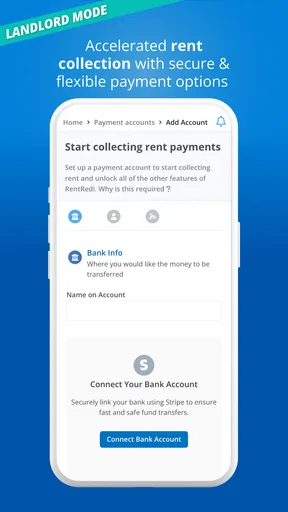
RentRedi is a rental-management app designed to connect property owners, landlords, and tenants in one place. Owners can manage properties, communicate with renters, collect rent, track maintenance requests, and organize rental information. Tenants can use it to pay rent, submit repair requests, receive messages, review lease-related details, and stay informed without relying entirely on email, phone calls, or paper documents.
Can tenants pay rent through the RentRedi app?
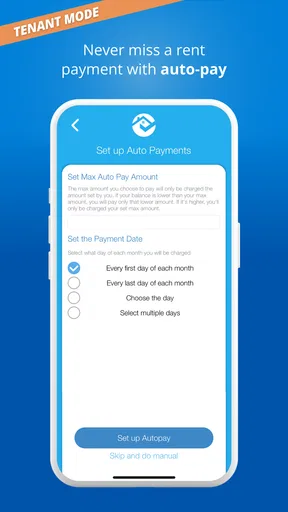
Yes, RentRedi allows tenants to make rent payments through the app when their landlord has enabled the payment feature. Depending on the account setup, available methods may include bank transfers or other supported payment options. Tenants should review processing times, convenience fees, payment limits, and whether recurring payments are available before scheduling a payment, since these details can vary by landlord and region.
How do maintenance requests work in RentRedi?
Tenants can generally submit maintenance requests directly through RentRedi, describing the problem and, where supported, attaching photos or videos to help the owner understand the issue. This can make communication more organized than sending separate messages. However, submitting a request does not guarantee immediate service. Response times, emergency procedures, contractor communication, and repair scheduling still depend on the landlord or property manager.
Is RentRedi useful for landlords and property owners?
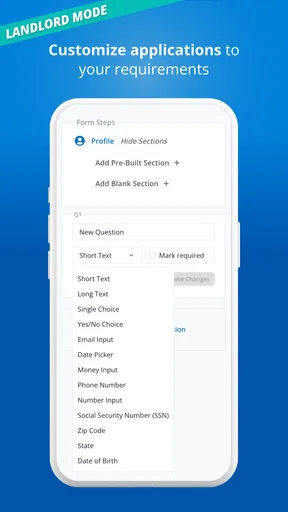
RentRedi can be useful for landlords who want to centralize common rental tasks instead of managing everything through spreadsheets, text messages, and separate payment services. Owners may be able to organize properties and tenants, collect rent, communicate, handle maintenance workflows, and monitor rental activity. The usefulness depends on the size of the portfolio, the selected subscription plan, and which features the owner chooses to activate.
Does RentRedi replace a lease or provide legal and financial advice?
No. RentRedi is a management and communication tool, not a replacement for a legally valid lease, professional accounting, or legal advice. Users should carefully review all rental agreements, payment records, notices, and maintenance communications. Landlords remain responsible for following local housing, privacy, security-deposit, and payment regulations, while tenants should contact the appropriate authority or professional when a dispute or urgent legal issue cannot be resolved through the app.
